
Old buildings possess a charm and character that modern constructions often lack. However, with their beauty comes a unique set of challenges—dampness being one of the most persistent. As a professional civil engineering company, we’ve helped numerous property owners understand how to deal with damp in old buildings, and in this blog, we’ll share what we’ve learned through years of hands-on experience.
Damp in historic and older properties can lead to mould growth, health issues, peeling paint, damaged plaster, and even compromised structural integrity. Fortunately, with the right approach, it’s possible to restore and protect these buildings.
Understanding Why Old Buildings Are Prone to Damp
Built for a Different Era
Before diving into how to deal with damp in old buildings, it’s essential to understand why these structures are more vulnerable. Unlike modern homes, older buildings were constructed using breathable materials like lime mortar and solid brick walls. These materials were meant to allow moisture to escape naturally.
However, many of these buildings have since been modernised using impermeable materials such as cement render or waterproof paint. This traps moisture, creating the perfect environment for damp.
1. Identifying the Type of Damp Problem
Not All Damp is the Same
The first step in knowing how to deal with damp in old buildings is identifying what type of damp you’re facing. Each type requires a different treatment plan.
- Rising damp: Ground moisture that travels up the wall due to capillary action. Often affects ground floors and basements.
- Penetrating damp: Caused by water seeping through walls, roofs, or faulty pointing.
- Condensation: Occurs when warm air hits cold surfaces, leading to mould and water droplets.
Useful resource: Types of Damp and How to Spot Them
2. Conducting a Damp Survey
Professional Diagnosis
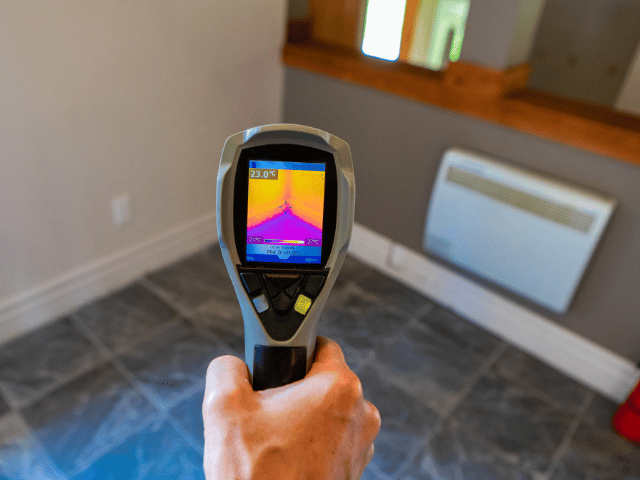
Once we suspect damp, we always recommend conducting a full damp survey. This should be done by a specialist who understands historic buildings. Modern diagnostic tools like damp meters and thermal imaging help pinpoint the cause without damaging the structure.
The survey provides insight into whether structural repairs, waterproofing, or ventilation upgrades are required.
3. Dealing With Rising Damp
Ground-Up Solutions
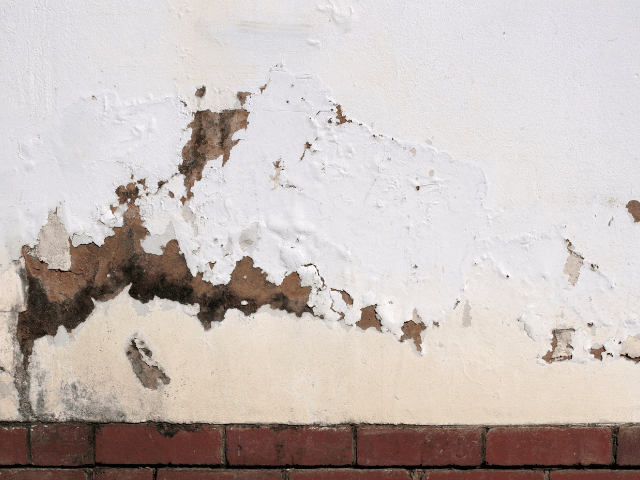
When tackling how to deal with damp in old buildings, rising damp is one of the most serious issues we address. It typically results in tide marks on walls, salt deposits, and flaking paint or plaster.
Our recommended solutions include:
- Installing or renewing a damp-proof course (DPC)
- Removing and replacing affected plaster
- Using breathable lime-based render
- Improving site drainage outside the building
4. Managing Penetrating Damp
Fixing the Envelope
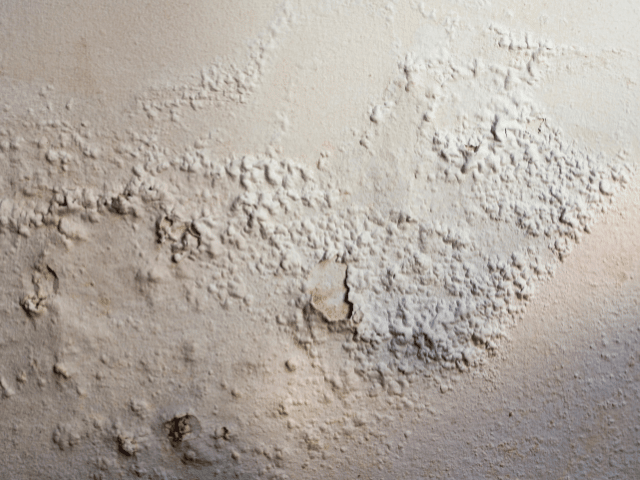
Penetrating damp often occurs after heavy rainfall or due to poor maintenance. We frequently find that cracks in external walls, faulty guttering, or leaking roofs are to blame.
When it comes to how to deal with damp in old buildings, it’s crucial to:
- Inspect and repair damaged render or pointing
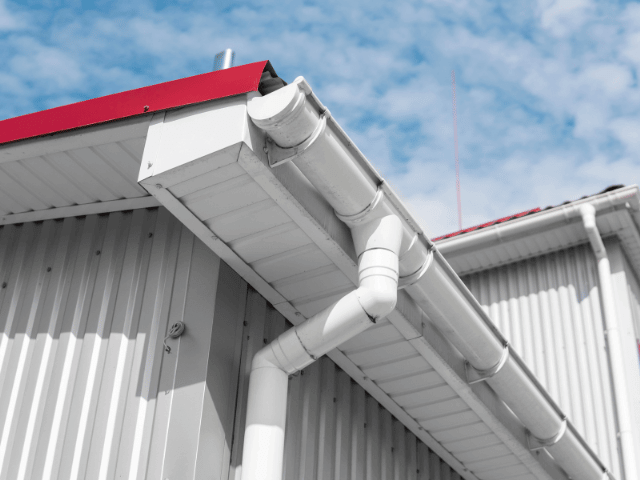
- Clean or replace gutters and downpipes
- Check the roof for broken or slipped tiles
- Ensure windows and doors are properly sealed
These small maintenance tasks make a big difference in long-term damp prevention.

5. Tackling Condensation
A Modern Problem in Old Homes
We frequently see condensation issues when old properties have been retrofitted with double-glazed windows, insulation, and airtight doors. While these upgrades improve energy efficiency, they also trap humidity inside.
Our solutions for managing condensation include:
- Installing extractor fans in kitchens and bathrooms
- Encouraging natural airflow through trickle vents or airbricks
- Using dehumidifiers in problem areas
- Avoiding drying laundry indoors
Remember, condensation is the most common form of damp and usually the easiest to fix.

6. Using Breathable Materials
Let Your Building Breathe
A key principle we follow when advising on how to deal with damp in old buildings is using materials that allow moisture to escape. Cement and plastic paints trap damp, whereas traditional lime plaster, breathable paints, and clay-based renders help walls stay dry naturally.
If you’re renovating, always use products designed for heritage properties.
Find breathable paint options here: Earthborn Paints
7. Improving Drainage Around the Property
Keep Water Away From the Foundations
External water management is just as important as internal fixes. One of the most effective ways to reduce damp is to improve how water flows around your building.
Here’s what we recommend:
- Ensure ground levels slope away from walls
- Install French drains or soakaways
- Maintain guttering and downpipes regularly
In our experience, these solutions prevent water from pooling near the structure and reduce the risk of rising damp.

8. Treating Mould and Mildew
Health and Aesthetic Concerns
Mould isn’t just unsightly—it’s a health risk. Once the cause of damp is addressed, the mould must be treated to prevent regrowth.
We suggest using natural anti-fungal treatments and repainting with mould-resistant, breathable paint. Remember to always wear protective gear and ventilate the space during cleaning.
9. When to Call in the Experts
Don’t Wait for It to Worsen
Dealing with damp can feel overwhelming, especially in older buildings with heritage value. If you’re unsure where to start or your DIY methods haven’t worked, it’s time to call in professionals.
At KwaShandu Civil Engineers, we specialise in evaluating and repairing damp-related issues in residential, commercial, and heritage properties.
10. Preventing Damp Long-Term
Consistent Care is Key
Prevention is better than cure, and that’s especially true with damp. We advise all our clients to:
- Perform seasonal property inspections
- Keep vegetation away from external walls
- Regularly clear gutters
- Use breathable materials in all future refurbishments
With these habits, you’ll minimise the risk of damp returning.
Final Thoughts: How to Deal With Damp in Old Buildings
Understanding how to deal with damp in old buildings is crucial for preserving their beauty and function. From rising damp to condensation, each issue requires a tailored approach. By identifying the type of damp, using breathable materials, and ensuring proper maintenance, you can protect your property for decades to come.
If your building is showing signs of damp, don’t wait. Let our experienced team provide a thorough damp assessment and implement lasting solutions.
📞 Contact us today to schedule an inspection.


Scratch cards are such a fun, quick thrill! It’s interesting how platforms like bigbunny ph app use stats & security – 99.7% fraud prevention is impressive! Makes enjoying a little luck even better, right? 😊
Interesting read! Seeing more platforms focus on RTP is great for players. Quick account setup (90 secs!) sounds efficient, and the PHP deposit options with a bonus via scatter slots vip are a nice touch. Definitely worth checking out!
Interesting read! Online gaming’s popularity is definitely growing, but security is key. Platforms like jili 56 app seem to prioritize that, with localized options & compliance. Always gamble responsibly, though! 🤔
I stumbled upon soxo66.io the other day, and I’ve been using it ever since. Pretty straightforward and loads up quick, perfect for checking those winning numbers. Have a look: soxo66.io
Been messing around with b29 lately. Not gonna lie, it’s got some interesting stuff. Take a gander, might be your cup of tea: b29
Thinking about checking out Bandbet. The name sounds cool, hoping the experience is even better! Worth a shot, right? Link here: bandbet
This discussion highlights the critical role of material science and environmental control. For monitoring historic structures, continuous, low-power data acquisition is key. Integrating smart, localized sensors and processing data at the edge-perhaps using platforms like pico claw-can provide real-time structural insights, optimizing preservation efforts beyond traditional methods.