
In our experience at KwaShandu Civil Engineers, few structures in landscaping and infrastructure work harder than retaining walls. Designed to hold back soil and reshape sloped land, they’re essential for both home and commercial developments. But what many people don’t realise until it’s too late is just how prone retaining walls are to failure—when improperly designed, poorly constructed, or left unmaintained.
Today, I’ll share some of the most common retaining wall failures we’ve seen across South Africa, and more importantly, how to prevent them. Whether you’re a homeowner reshaping your garden or managing a commercial build, avoiding these pitfalls can save you serious money and stress.
Why Retaining Walls Fail: The Basics
Before diving into specific types of common retaining wall failures, it’s important to understand the core reasons why they happen. A retaining wall is constantly under pressure—literally. Gravity, water, poor drainage, soil type, tree roots, and even nearby construction can compromise its stability.
When we’re called in to inspect failed walls, we often find the same root causes repeating themselves. These include poor drainage, lack of reinforcement, or simply using the wrong type of wall for the location.
1. Poor Drainage Behind the Wall
 The Invisible Killer
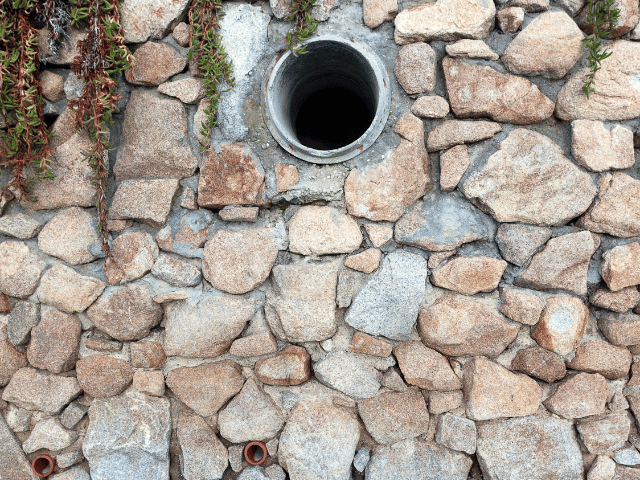
Of all the common retaining wall failures, poor drainage is the most frequent and destructive. Without adequate drainage, water builds up behind the wall, increasing pressure and eventually pushing the structure outward or collapsing it entirely.
How to Prevent It
We always incorporate weep holes, drainage pipes, or gravel backfill into our retaining wall designs. Proper geofabrics also help direct water away from critical zones. During construction, we insist on compacting the backfill in layers—a simple but crucial step many overlook.
2. Using Inadequate Footings
It All Starts Below Ground
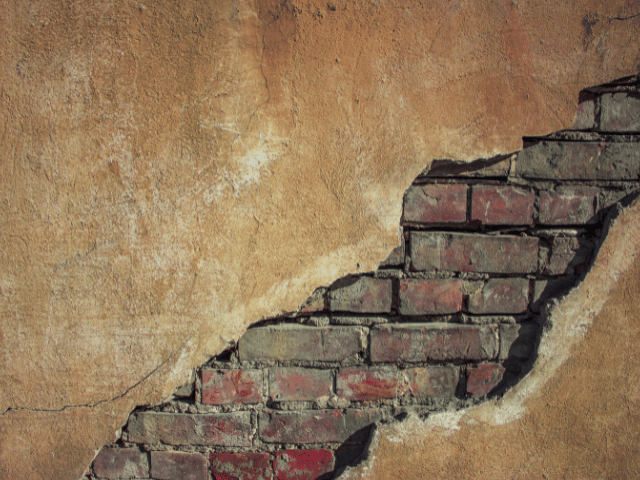
A wall is only as strong as its foundation. Many walls fail because their footing isn’t deep enough or is placed on loose soil. We’ve seen walls built without any footings at all—destined to fail from day one.
How to Prevent It
At KwaShandu, we always consider the wall’s height, soil type, and expected load before determining footing depth. For taller or load-bearing walls, reinforced concrete footings are non-negotiable. If there’s clay or shifting soil, we go even deeper.
3. Overloading the Wall

Too Much Pressure
It’s not just the soil the wall retains—retaining walls often bear added weight from vehicles, nearby buildings, or landscaping elements. This overload causes tilting, cracking, or total failure.
How to Prevent It
We evaluate load requirements and adjust the design accordingly. Sometimes this means thicker walls, extra reinforcement, or even terracing multiple smaller walls rather than one tall one. Always disclose your intended use to your builder!
4. Poor Quality Materials
 Cheaper Isn’t Always Better
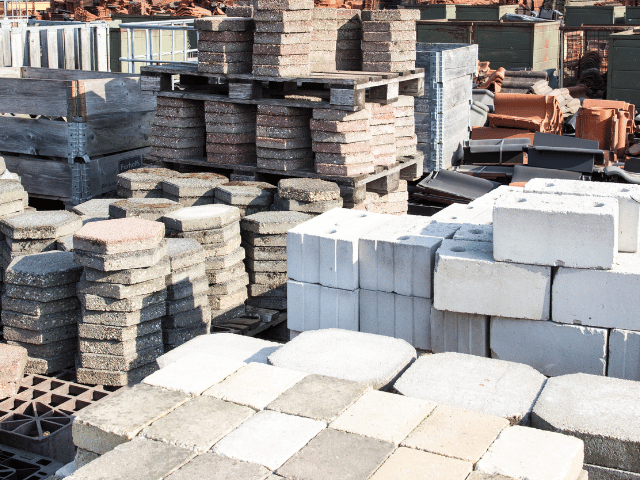
We’ve seen walls crumble within months because builders used substandard blocks, mortar, or reinforcing bars. While the savings might seem attractive up front, the long-term cost of repair far outweighs it.
How to Prevent It
Stick to SABS-approved materials and trusted suppliers. If you’re unsure, ask your contractor about the specs—especially if you’re building in areas with high rainfall or active ground movement.
5. Lack of Professional Design

DIY Doesn’t Always Work
Retaining walls higher than a metre typically require an engineer’s touch. Yet, we’ve often seen unlicensed builders attempt DIY designs that end in disaster. Not all retaining walls are created equal—gravity walls, cantilever walls, and anchored walls each have unique design rules.
How to Prevent It
Hire a registered engineer or qualified contractor. At KwaShandu, we tailor every design to site-specific needs, ensuring both safety and compliance with national building regulations.
6. Vegetation and Tree Roots

Nature vs Structure
Trees planted too close to retaining walls can wreak havoc. Their roots infiltrate cracks and joints, displacing blocks and weakening the structure. Over time, they even shift the soil the wall is trying to hold.
How to Prevent It
When landscaping, we plant trees with non-invasive root systems away from structural elements. We also use root barriers where needed and choose ground covers that enhance drainage rather than block it.
7. Incorrect Wall Type for the Application
 One Size Doesn’t Fit All
We’ve had clients call us in after building timber walls in flood-prone areas or using dry-stacked walls where reinforcement was needed. A mismatch between wall type and use often leads to premature failure.
How to Prevent It
Choose the right wall for your location. For example:
-
Gravity walls suit small garden terraces.
-
Cantilevered walls are better for commercial loads.
-
Gabion walls excel in erosion control and drainage-heavy zones.
We advise on the best wall type during planning—another reason to consult early.
Identifying Early Warning Signs

Prevention is ideal, but recognising warning signs early can save a wall from collapse. These include:
-
Cracking or bowing of wall face
-
Leaning or tilting
-
Bulging blocks
-
Pooled water behind or near the wall
-
Loose or crumbling materials
Regular inspections—especially after heavy rains—help us act before disaster strikes.
Solutions for Repairing Failed Walls
If you’re facing a failed wall, we assess the extent of damage before recommending a solution. These may involve:
-
Rebuilding with improved design and footing
-
Installing new drainage systems
-
Reinforcing with anchors or tiebacks
-
Using geogrids to stabilise soil
Each solution is based on what’s failed and why. Quick fixes rarely work—structural repair is a job for experienced hands.
Why Prevention Is Cheaper Than Repair
Repairing a retaining wall costs significantly more than building it right the first time. In one case, we had to completely excavate and rebuild a wall due to poor drainage and thin footings—costing the client over R150,000 more than the original estimate.
That’s why we strongly encourage proactive design, proper material use, and expert consultation.
🔗 Read our full guide on retaining wall costs in South Africa
Best Practices to Prevent Common Retaining Wall Failures
Here’s a quick checklist to avoid the most common retaining wall failures:
-
Design according to soil type and height
-
Ensure proper drainage with gravel and weep holes
-
Use reinforced concrete footings
-
Choose high-quality, durable materials
-
Avoid overloading the wall
-
Plant trees at a safe distance
-
Consult qualified engineers or contractors
Final Thoughts
At KwaShandu Civil Engineers, we believe retaining walls should be beautiful, functional, and built to last. With the right planning and professional guidance, you can avoid the common retaining wall failures that cause costly damage and safety hazards.
If you’re considering building or upgrading a retaining wall, we’d love to help. Our team has extensive experience across residential and commercial landscapes—and we’re proud of the trust our clients place in us to deliver long-lasting solutions.
📞Contact us today for a quote or consultation.


As someone who’s played every Sprunki iteration, Phase 10000 finally nails the difficulty curve. The new phase-shift mechanic adds strategic depth without being overwhelming. GG to the devs!
DKVIplogin makes getting into my favorite casinos a breeze. No more messing around with complicated passwords. Super simple and secure! Check it out here: dkviplogin
Yo guys, 999slotme’s got some seriously tempting slots. Been spinning and winning a bit lately. Worth checking out if you’re looking for a new place to play. Just sayin’! Check it out: 999slotme
Alright, tt22game is giving me some serious nostalgia. The games are simple but addictive. Perfect for a quick break or just chilling out. See for yourself: tt22game
Excellent insights on structural integrity! Just as retaining walls require proper drainage and reinforcement to prevent catastrophic failure, successful platforms need solid foundations. The same principles of risk management and proactive maintenance apply whether you’re building landscape features or enjoying entertainment like a phfortune game. Prevention always beats remediation.
formg28 got me straight up with the forms I needed to sign up for a game. A real godsend! Check them out: formg28
The discussion on lateral earth pressure is spot-on. It emphasizes that failure often stems from neglecting foundational principles. This principle of rigorous structural integrity is critical everywhere, even when accessing digital resources or platforms like bad bunny login. Excellent read!